

The movement
Rethinking mobility, one ride at a time
What if bike parking were the real catalyst for improving our cities?
Vélo-Transit offers a practical approach to accelerating the transition toward more active, sustainable, and better-integrated mobility.
The reality
An imbalance in the ways we get around
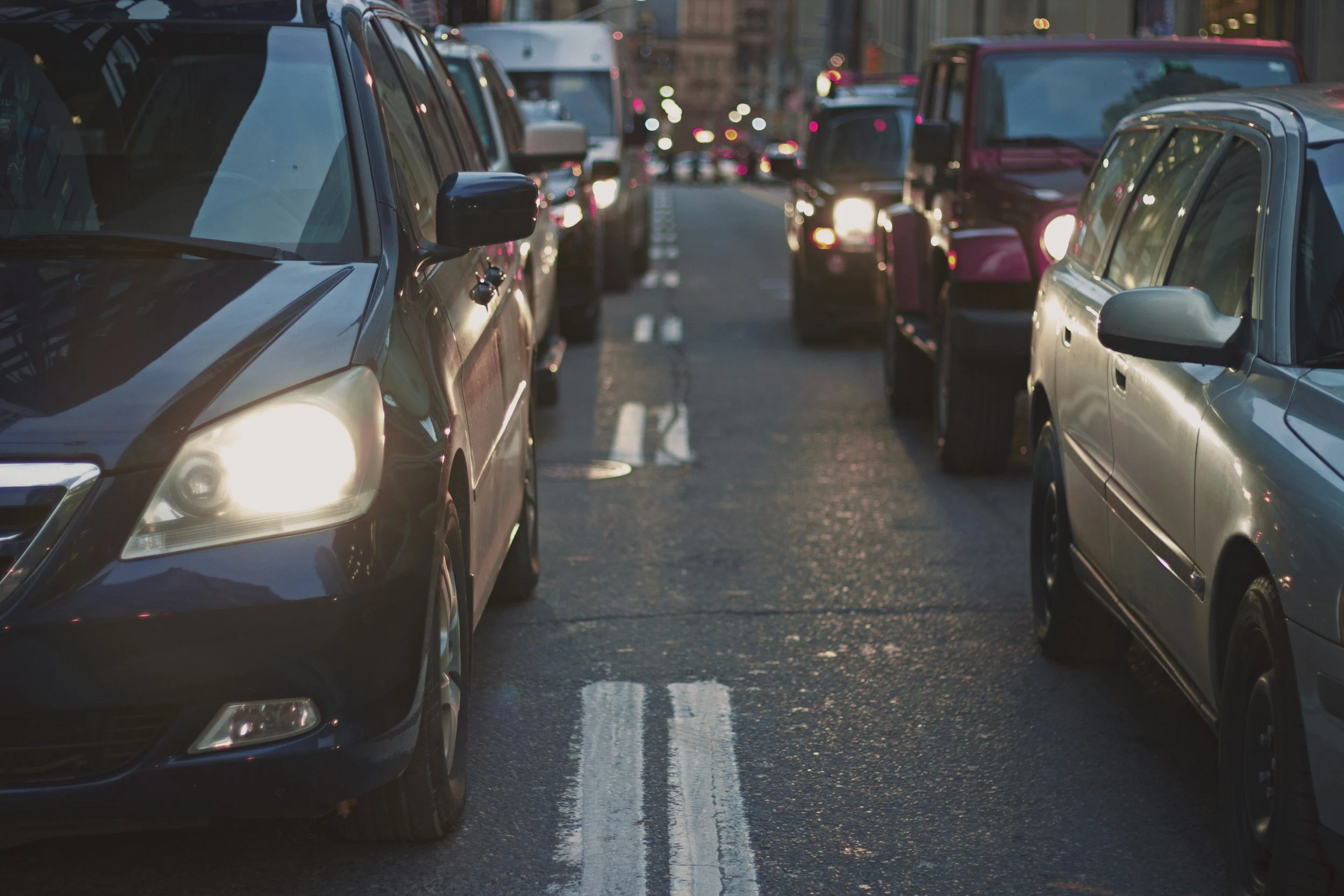
For decades, cities have been designed around cars. The result: traffic congestion, strain on infrastructure, under-optimized spaces, and a reliance on motorized transportation.
Meanwhile, cycling has yet to gain traction as a practical mode of daily transportation. Not due to a lack of interest, but a lack of adequate infrastructure.
The turning point
What if it all started with parking?
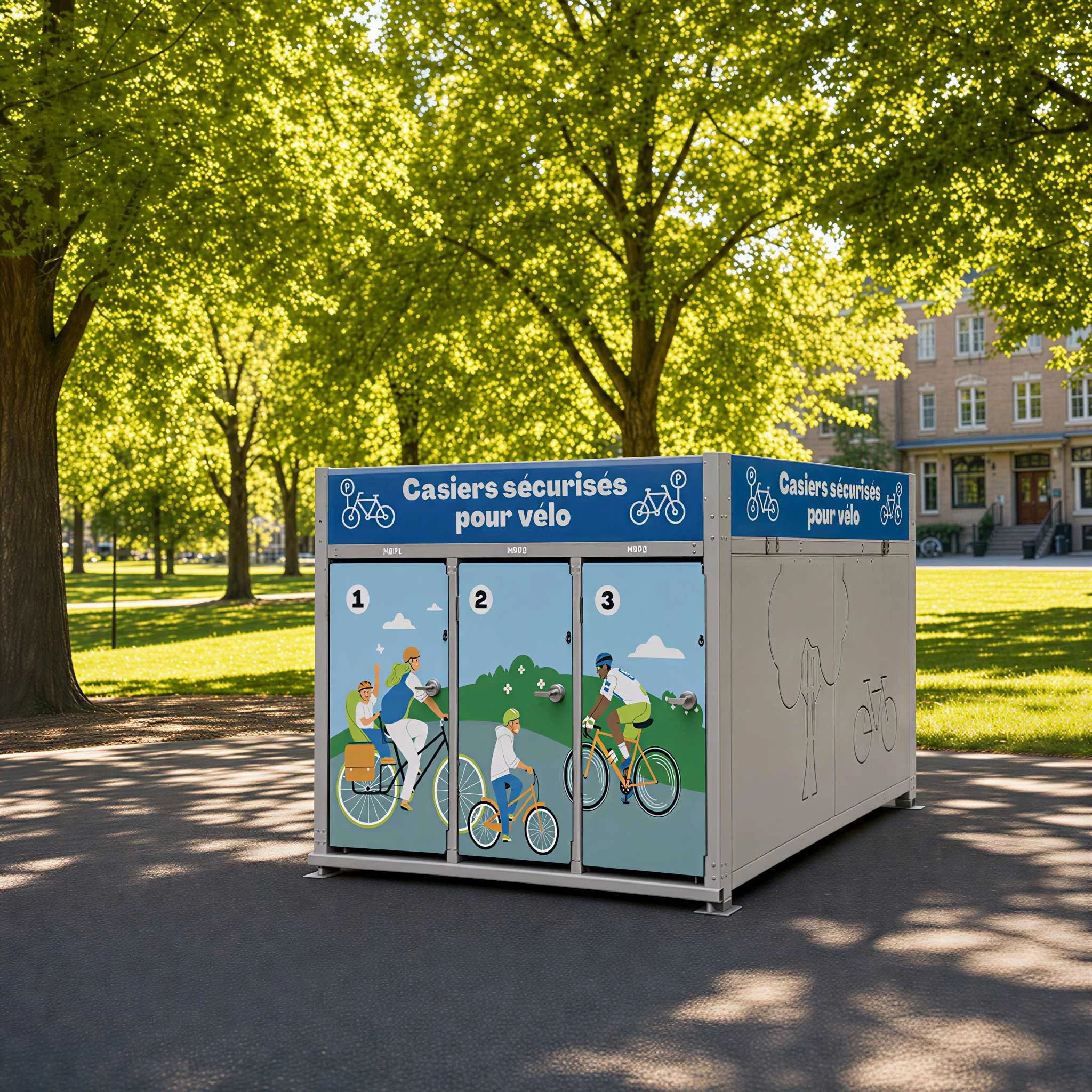
A bike that can be securely and conveniently parked is a bike that gets used.
By making bike parking simple, accessible, and reliable, we are removing a major barrier to adopting cycling as a mode of transportation. What might seem like a minor detail becomes a powerful tool for changing habits.
The impact
A tangible impact on the urban landscape
Every decision to bike instead of drive has an immediate impact on the urban environment. When a driver becomes a cyclist, a parking space is freed up. On a large scale, these changes make it possible to rethink how we use the spaces around us.
Space-saving

One car parking space can hold up to six bikes
Reclaimed space
of public space reclaimed for every 12% increase in cycling
Setup costs

A more accessible infrastructure solution for sustainable mobility

The solution
A structured network to support active mobility
At Vélo-Transit, we do more than just install modules.
We develop bike parking networks designed at scale.
Consistent and accessible transportation networks integrated into people’s daily travel habits, helping to:
Support intermodality
Make everyday travel easier
Increase utility cycling (to run errands, etc.)
Optimize the use of urban spaces
Because a well-designed network changes the way we get around… and tangibly improves our quality of life.
Putting the idea into action
The transition to more active mobility does not rest on a single solution, but on a series of concrete decisions.
Secure bike parking is one of these.