

Our story
Vélo-Transit didn't start with a business plan, but with a conviction.
Behind this project is a person who has never stopped believing that meaningful change begins with concrete action.
What grew from that conviction is a network shaped by creativity, innovation, and the ability to rally people around a shared vision of more human-centred cities.

The journey
Building communities,
creating systems,
fostering movements
Before helping transform urban mobility, Jean-Marc Blais learned how to get people moving, quite literally.
His journey began in the ski industry, where he did much more than just teach the sport. He built a ski club and a ski school with more than 5,000 members, led a team of over 100 ski instructors, and developed programs that enrolled up to 1,200 students each year.
But beyond performance, he created something bigger.
A culture, a sense of belonging, a movement.
That same instinct next led him to enter the media industry. With Ski Presse, what started as a simple newsletter became an industry benchmark: a platform with a circulation of over one million copies across North America, covering four Olympic Games and embracing the digital shift long before most others.
Once again, Jean-Marc Blais was not simply building a product. He was creating an ecosystem that brought communities together.

The turning point
Seeing a problem everyone experiences from a different perspective
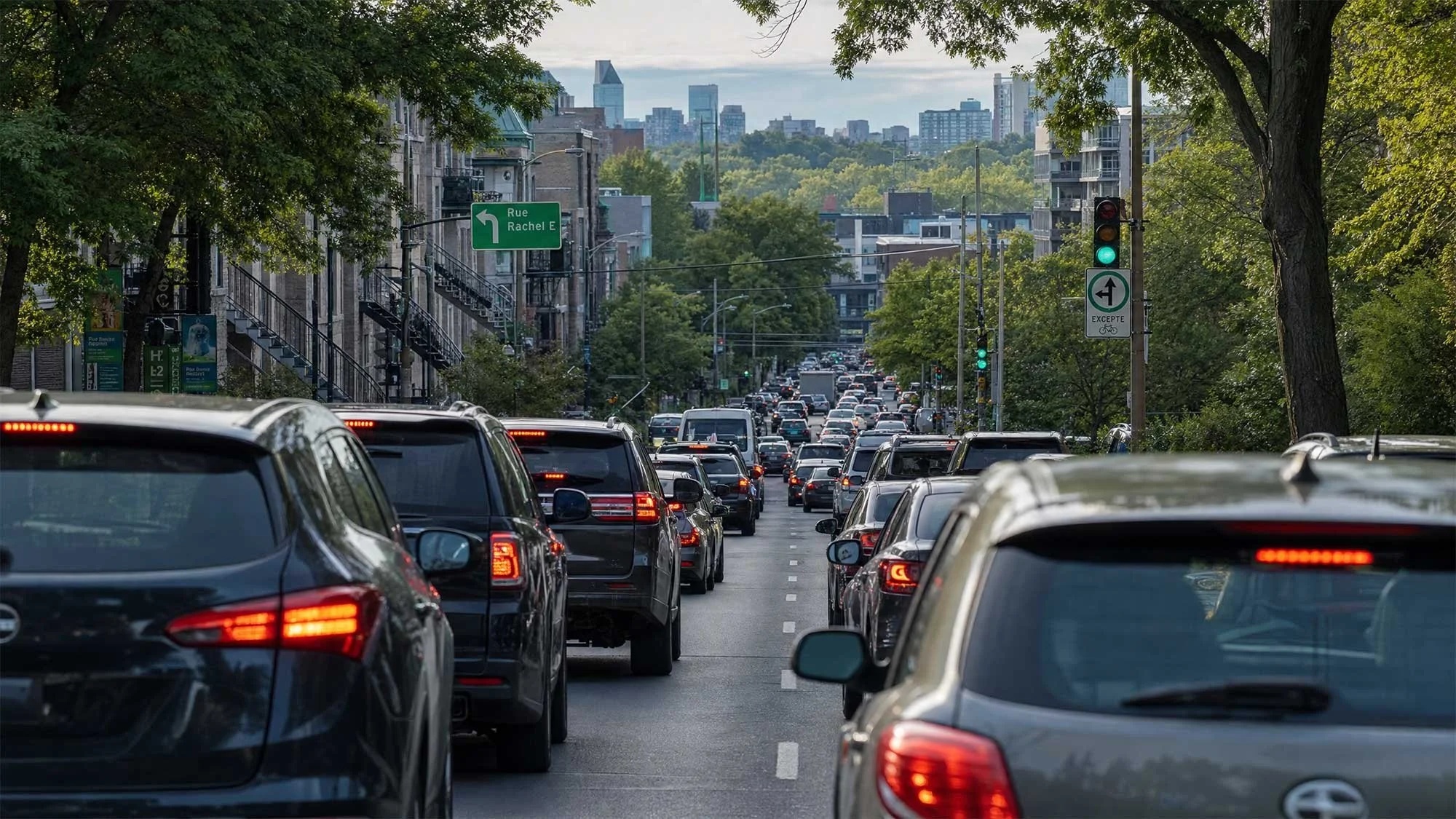
The real turning point came while stuck in traffic.
Like millions of others, it was clear to Jean-Marc Blais that commuting was inefficient, expensive, and draining. When electric bikes arrived on the market, he saw an opening.
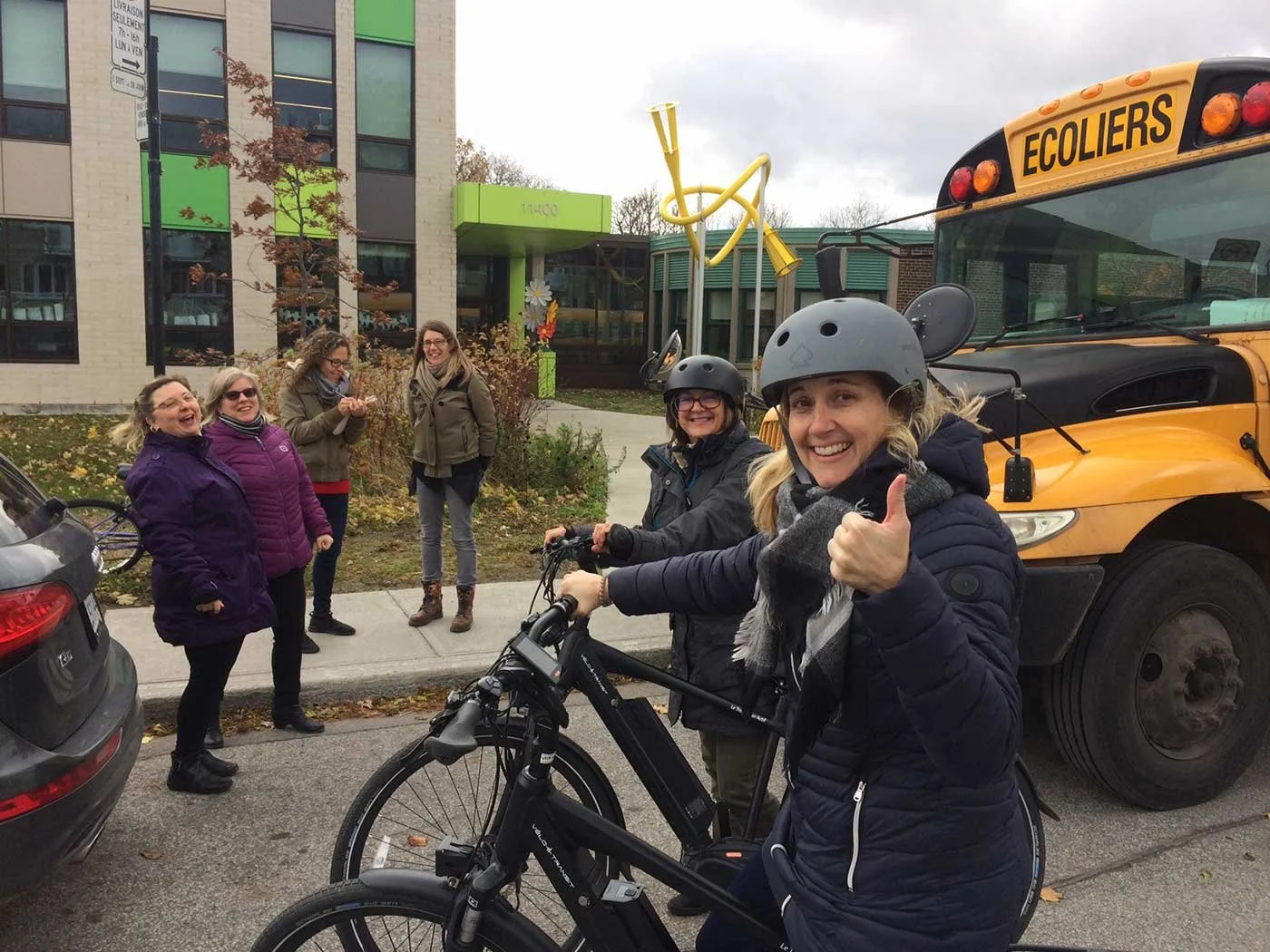
With the arrival of electric bikes, a true alternative was taking shape. Working in collaboration with Équiterre, he launched a pilot project that provided electric bikes to 800 employees across 15 organizations.
The results were striking. Up to 90% of participants were willing to completely change their travel habits. And they were able to cover an average of 14 km in less than 30 minutes.
The problem was never motivation. It was the environment and the infrastructure that wasn't there to support them.
Two obstacles remained: winter weather, and most importantly, bike theft.
The idea
Tackling the right problem
For years, Jean-Marc Blais worked to convince organizations to invest in cycling mobility for their employees. He developed products, built programs, and crafted compelling arguments. He knocked on countless doors.
The interest was there. People wanted to get around on bike. But something kept getting in the way: theft, insecurity, and the lack of reliable infrastructure.
That’s when everything shifted.
Instead of continuing to sell bikes or mobility programs, Jean-Marc decided to address the root of the problem: parking. Not getting around on bike, but a secure place to store it.
What if we could build a transportation network… without vehicles?
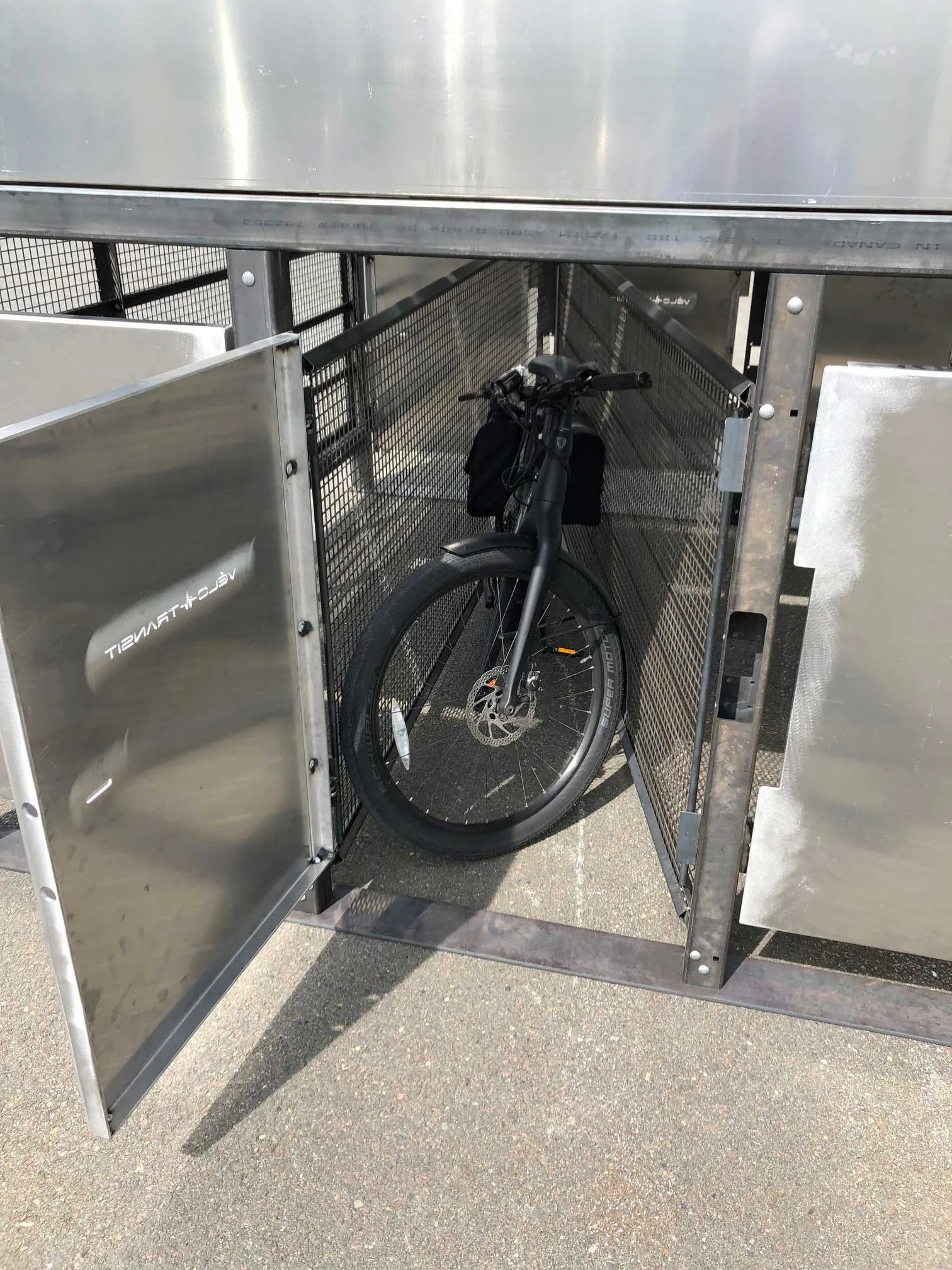
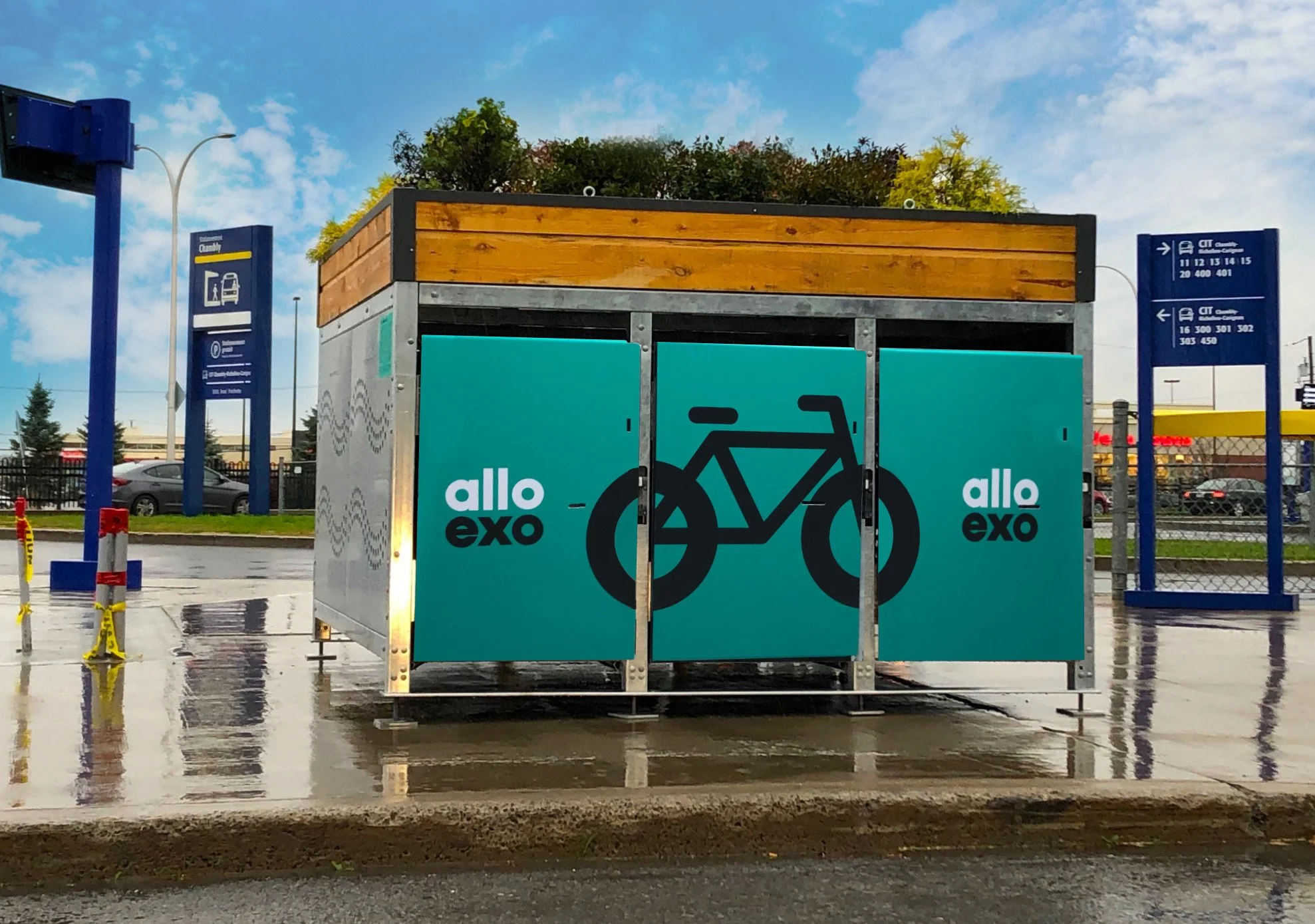
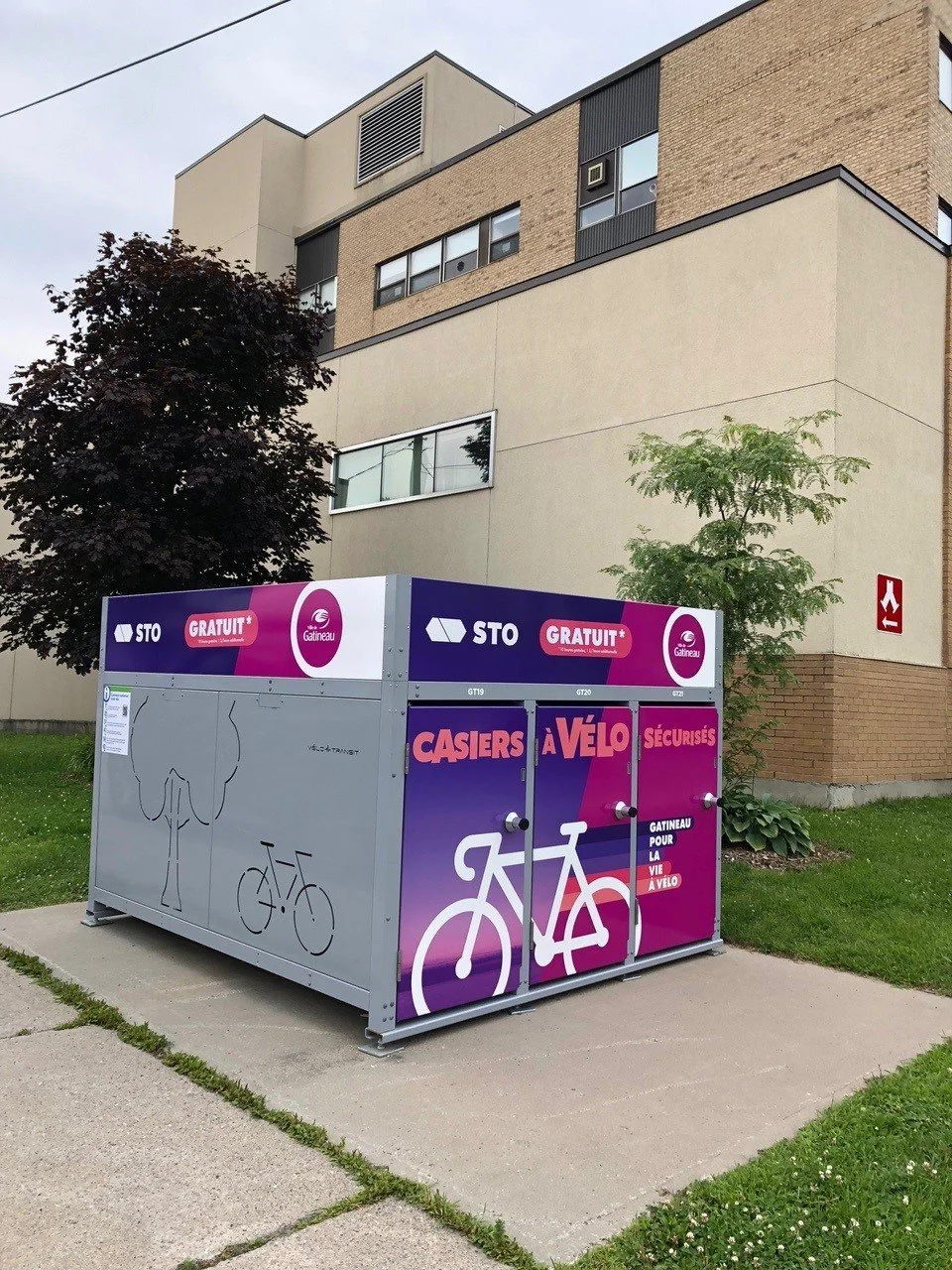
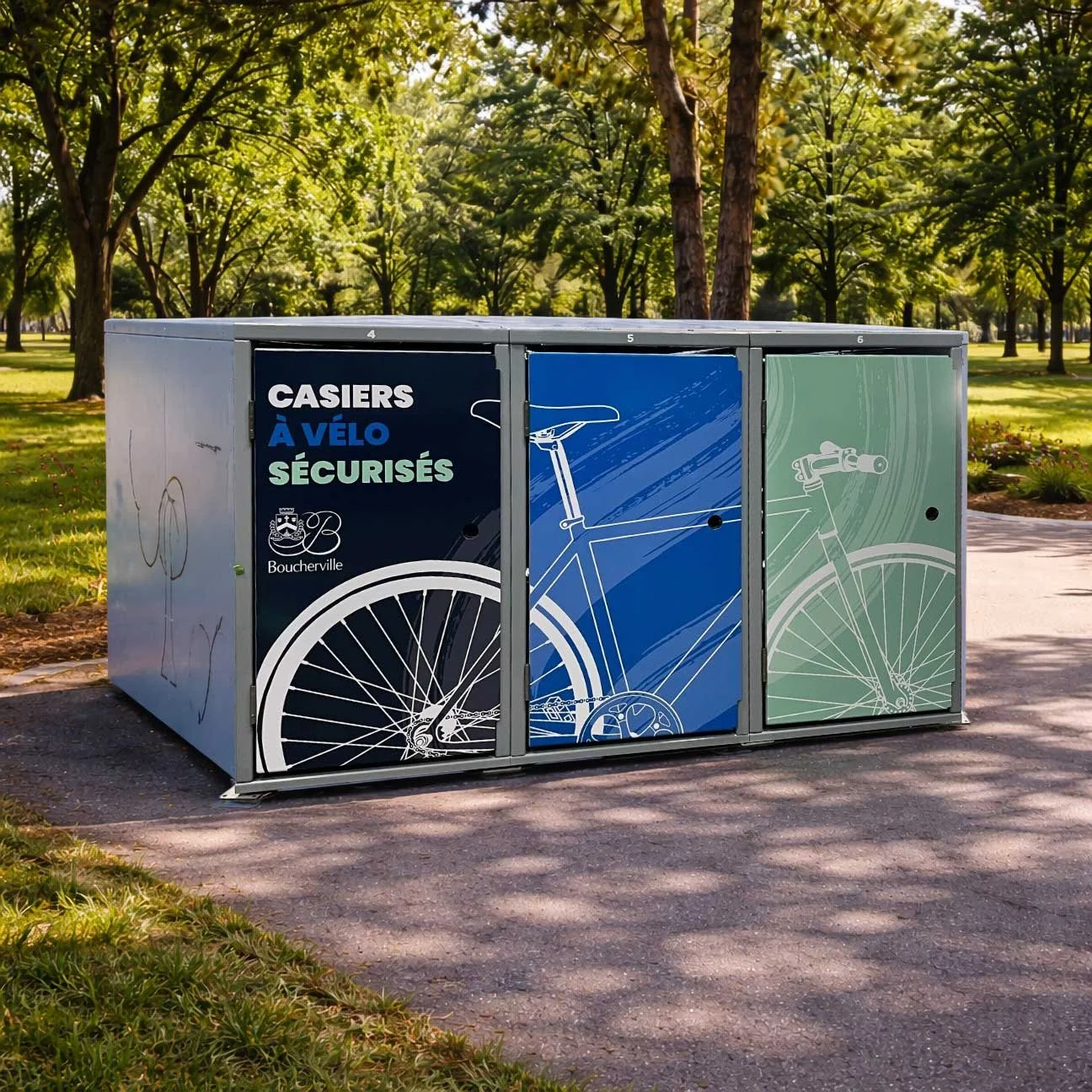
That was the answer: leveraging an existing asset, citizens’ own bikes. By providing peace of mind through the offer of smart, connected bike lockers, Vélo-Transit turned thousands of scattered individual initiatives into a truly structured mobility network.
Lower costs. Greater flexibility. Immediate impact.
Every new locker that is installed is further proof that this was the right vision, and the network is just getting started.
The team behind the network
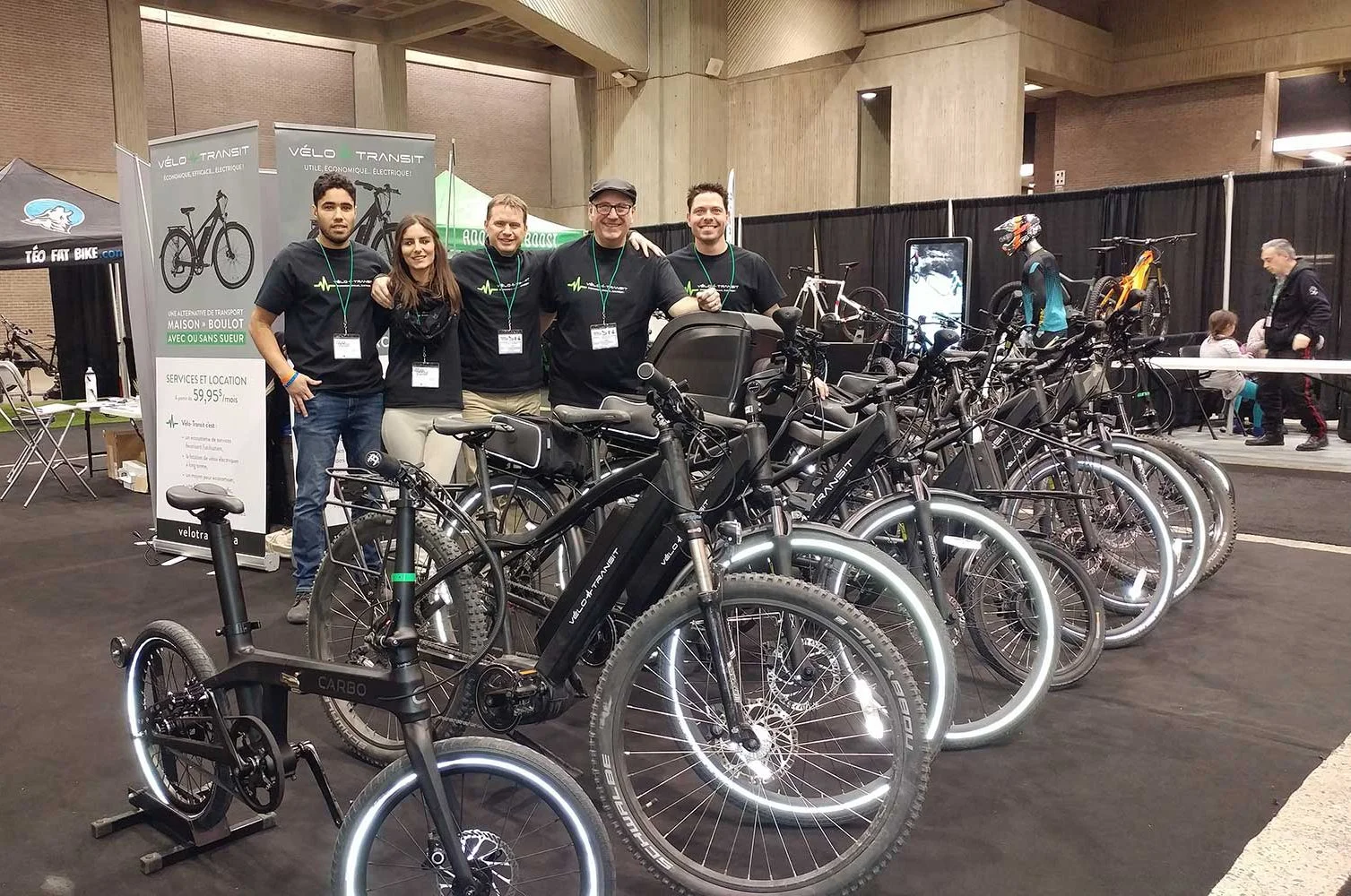
Jean-Marc Blais is the driving force behind Vélo-Transit, but he is not alone. He is supported by a dedicated team, with each member applying their unique expertise to help grow the network and support the organizations that believe in its vision.
In addition to this team, several collaborators and partners are helping drive the project forward.
Ready to join the movement?
The transition to more active mobility does not rest on a single solution, but on a series of concrete decisions.
Secure bike parking is one of these.